Latest articles – they’re talking about us!
MACROWINE 2025 was hosted this year at NOI Techpark in Bolzano by the Free University of Bozen-Bolzano, in collaboration with Laimburg Research Centre. As one of the most important international conferences on wine and vine sciences, MACROWINE brought together researchers from around the world to share their work on chemistry, viticulture, sensory science, and sustainability.…
We have published the CLIMED digital story, produced last year for the CLIMED-FRUIT conference, on our site. There are more details, and a video of the CLIMED presentation on the SUWIR project, at the dedicated page. Our participation in the conference was also highlighted in the UniBZ magazine.
The SUWIR project was presented by Prof. Emanuele Boselli at the “Resilient Agricultural Systems for Climate Change Adaptation“ summer school, taking place at the Agripolis Campus in Legnaro (Padua) from 7–11 July 2025.  Venue: Department of Agronomy, Food, Natural Resources, Animals, and Environment (DAFNAE), University of Padova Agripolis Campus, Viale dell’Università 16, Legnaro (PD),…
We are very pleased to announce the publication of a further two papers from the work carried out under the SUWIR project. These were the the culmination of a successful PhD project by ex-PhD student and current research assistant Dr Gavin Duley, who recently defended his thesis. They compare the chemical and sensory profiles of…
We were honoured to be accepted to present at the GreenWINE conference in Verona this year – an international gathering of researchers, producers, and stakeholders committed to advancing sustainability in the wine sector. Our presentation speaks directly to the conference’s key themes: climate change resilience, low-input and green production, and sustainable business management. Our talk…
Durante la riunione del 27 settembre 2024, il Dr. Edoardo Longo, ricercatore del laboratorio Oenolab della Libera Università di Bolzano, ha presentato il progetto SUWIR, focalizzandosi sulle varietà di vite resistenti. Tra gli altri relatori vi erano la Prof.ssa Federica Viganò, della Facoltà di Scienze della Formazione, e il Dr. Ulrich Eberhard Prechsl, che ha…
SUWIR: an interdisciplinary research project of the Free University of Bozen-Bolzano
Towards sustainable viticulture: a case study on wines from resistant grape varieties in South Tyrol
SUWIR aimed at studying the value of wines obtained from disease resistant grape varieties in the framework of a more ‘green’ and sustainable viticulture according to the 2030 goal of the EU to reduce pesticide use by 50%.
The scientific team is formed by 4 research groups affiliated to the Faculties of Science and Technology, the Faculty of Education and the Competence Center for Plant Health with a sound knowledge of the several aspects of the wine supply chain: the Enology team for the compositional and sensory characterization of wines; the Agricultural Chemistry team for the agronomic evaluations; the Management Engineering team for the environmental sustainability assessment, and the Economic Sociology team for the economic and social sustainability assessment.
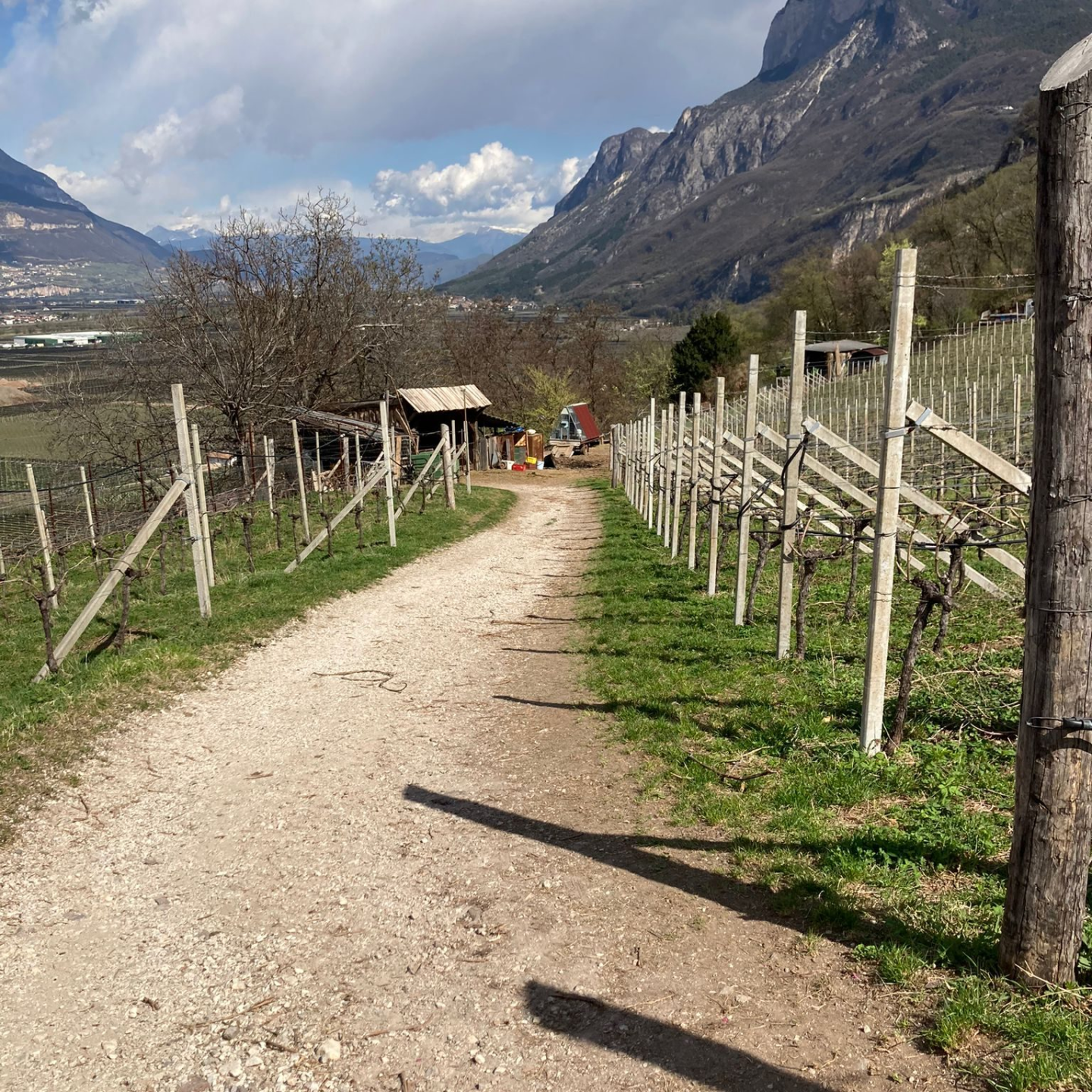
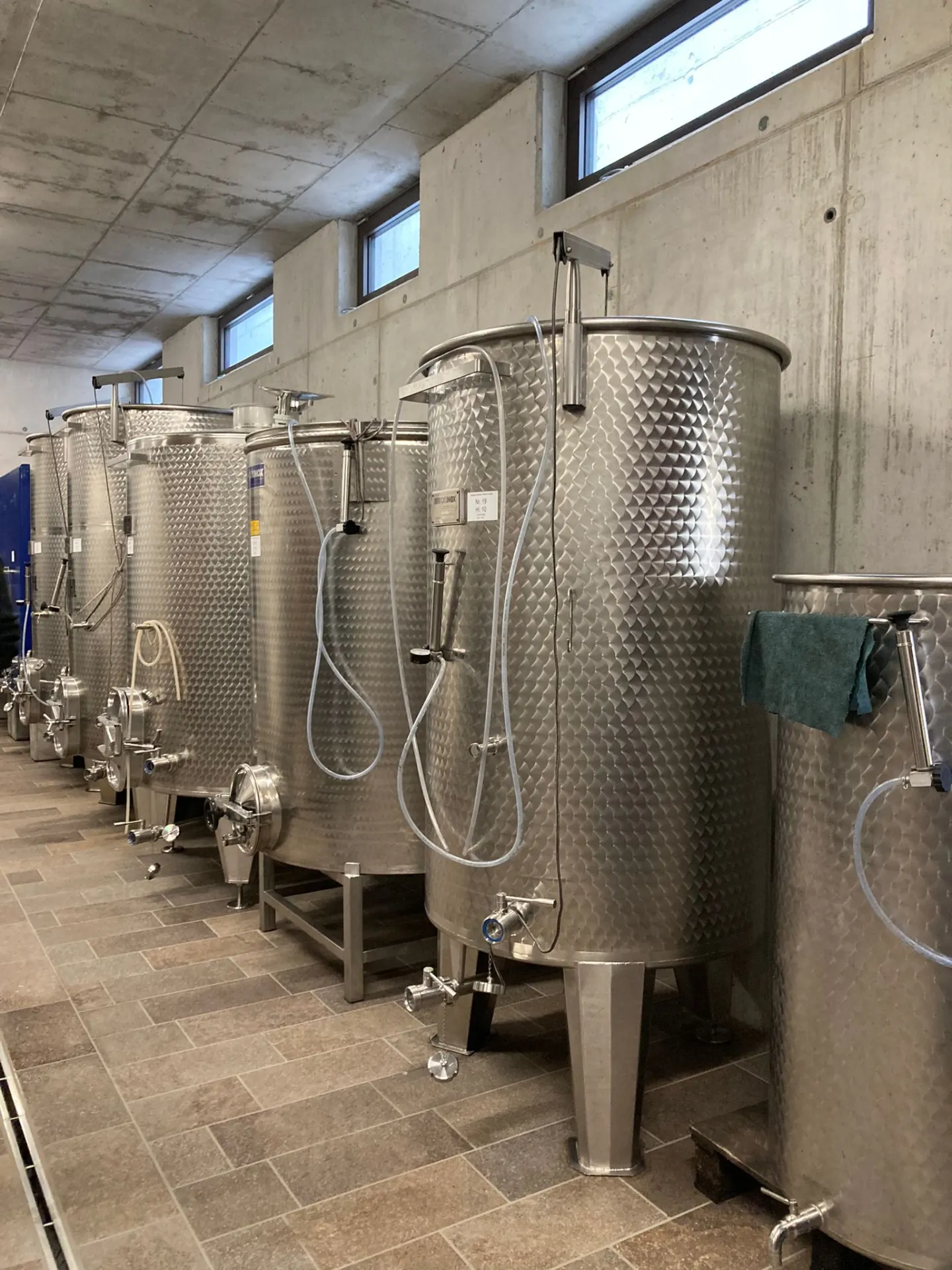
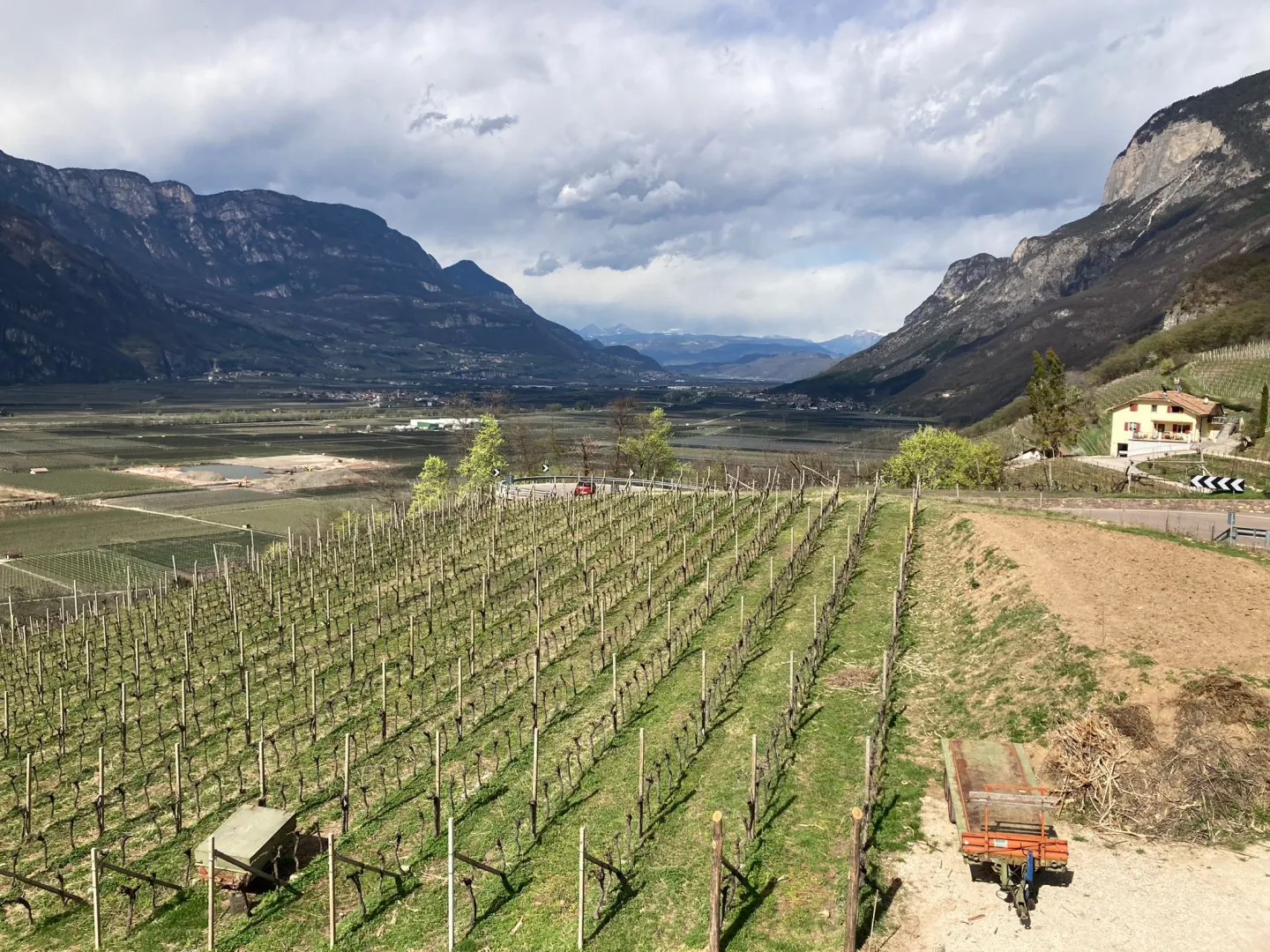
Verso una viticoltura sostenibile: il caso studio dei vini da vitigni resistenti in Alto Adige
SUWIR è finalizzato a studiare il valore dei vini ottenuti da vitigni resistenti alle malattie nell’ambito di una viticoltura più “verde” e sostenibile secondo l’obiettivo 2030 dell’UE di ridurre del 50% l’uso dei pesticidi.
Il team scientifico è formato da 4 gruppi di ricerca affiliati alle Facoltà di Scienze e Tecnologie, alla Facoltà di Scienze della Formazione e al Centro di Competenza Fitosanitaria con una solida conoscenza dei diversi aspetti della filiera vitivinicola: il team di Enologia per la caratterizzazione compositiva e sensoriale dei vini; il team di Chimica Agraria per le valutazioni agronomiche; il team di Ingegneria Gestionale per la valutazione della sostenibilità ambientale e il team di Sociologia Economica per la valutazione della sostenibilità economica e sociale.
Auf dem Weg zu einem nachhaltigen Weinbau: Eine Fallstudie zu Weinen aus resistenten Rebsorten in Südtirol
SUWIR hat sich zum Ziel gesetzt, den Wert von Weinen aus krankheitsresistenten Rebsorten im Rahmen eines “grüneren” und nachhaltigeren Weinbaus zu untersuchen, der dem Ziel der EU für 2030 entspricht, den Einsatz von Pestiziden um 50 % zu reduzieren.
Das wissenschaftliche Team besteht aus vier Forschungsgruppen, die den Fakultäten für Naturwissenschaften und Technik, der Fakultät für Erziehungswissenschaften und dem Kompetenzzentrum für Pflanzengesundheit angegliedert sind und über fundierte Kenntnisse der verschiedenen Aspekte der Weinversorgungskette verfügen: das Team für Önologie für die kompositorische und sensorische Charakterisierung der Weine; das Team für Agrarchemie für die agronomischen Bewertungen; das Team für Management Engineering für die Bewertung der ökologischen Nachhaltigkeit und das Team für Wirtschaftssoziologie für die Bewertung der wirtschaftlichen und sozialen Nachhaltigkeit.
The main goals and activities of the project can be summarized as follows:
The project aims
i) to compare at least 10 wines from disease-resistant grape varieties grown in South Tyrol and their blends with respect to conventional wines produced under similar agronomic and technological conditions;
ii) to calculate the reduction in the use of pesticides and other impactful practices in vineyards cultivated with disease-resistant grape varieties, where the grapes to produce these wines are obtained;
iii) to study consumer attitudes towards wines from disease-resistant grape varieties;
iv) to study the social, environmental, economic impact of wines from disease-resistant grape varieties for the winery;
v) to develop policy indications for the local stakeholders to support the sustainable transition of wine production systems;
vi) to evaluate and optimize winemaking methods for disease-resistant grape varieties, taking into consideration their unique chemical composition.
Gli obiettivi e le attività principali del progetto possono essere riassunti come segue:
Il progetto si propone di
i) confrontare almeno 10 vini da vitigni resistenti alle malattie coltivati in Alto Adige e i loro assemblaggi rispetto a vini convenzionali prodotti in condizioni agronomiche e tecnologiche simili;
ii) calcolare la riduzione dell’uso di pesticidi e di altre pratiche impattanti nei vigneti coltivati con vitigni resistenti alle malattie, da cui si ottengono le uve per produrre questi vini;
iii) studiare l’atteggiamento dei consumatori nei confronti dei vini ottenuti da vitigni resistenti alle malattie;
iv) studiare l’impatto sociale, ambientale ed economico dei vini da vitigni resistenti alle malattie per l’azienda vinicola;
v) sviluppare indicazioni politiche per gli stakeholder locali al fine di sostenere la transizione sostenibile dei sistemi di produzione del vino;
vi) valutare e ottimizzare i metodi di vinificazione per i vitigni resistenti alle malattie, tenendo conto della loro particolare composizione chimica.
Die wichtigsten Ziele und Aktivitäten des Projekts lassen sich wie folgt zusammenfassen:
Das Projekt zielt darauf ab
i) Vergleich von mindestens 10 Weinen aus krankheitsresistenten Rebsorten, die in Südtirol angebaut werden, und ihren Verschnitten mit konventionellen Weinen, die unter ähnlichen agronomischen und technologischen Bedingungen hergestellt werden;
ii) Berechnung der Verringerung des Einsatzes von Pestiziden und anderer schädlicher Praktiken in den Weinbergen, die mit krankheitsresistenten Rebsorten bepflanzt sind und aus denen die Trauben für die Herstellung dieser Weine stammen;
iii) Untersuchung der Haltung der Verbraucher gegenüber Weinen aus krankheitsresistenten Rebsorten;
iv) Untersuchung der sozialen, ökologischen und wirtschaftlichen Auswirkungen von Weinen aus krankheitsresistenten Rebsorten für die Weinkellerei;
v) Entwicklung politischer Empfehlungen für die lokalen Akteure zur Unterstützung des nachhaltigen Übergangs der Weinproduktionssysteme;
vi) Bewertung und Optimierung der Weinbereitungsmethoden für krankheitsresistente Rebsorten unter Berücksichtigung ihrer einzigartigen chemischen Zusammensetzung.